
2026 Spring Conference Field Trips
Birding at Merritt Island National Wildlife Refuge
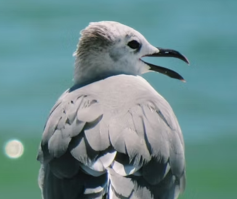
Merritt Island NWR is one of Florida’s premier birding sites with more than 330 recorded species. Does your lifer list need a boost? This will do it! Come join us at the Merritt Island National Wildlife Refuge for a morning of hard-core birding. Merritt Island NWR is one of Florida’s premier birding sites with more than 330 recorded species. David Simpson will guide the tour, so no worries if you are a little rusty on your shorebirds. The drive will include the famous Black Point Wildlife Drive and stops to listen for black rails, view flamingos and discuss the last stand of the Dusky Seaside Sparrow. Click HERE for full details.
Habitat Management of Coastal Scrub and Wetlands
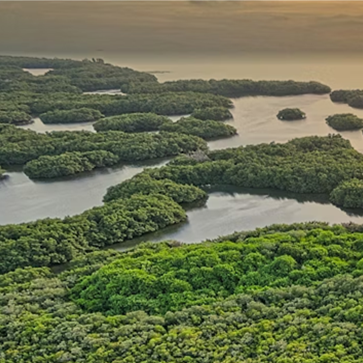
Explore the dynamic land management challenges of coastal estuarine wetlands and scrub systems at Merritt Island National Wildlife Refuge. This field trip will highlight the complexities of maintaining these vital ecosystems, from habitat restoration to the impact of invasive species. Join experts in the field as we dive into real-world management strategies, exploring the intersection of conservation and coastal dynamics. Click HERE for full details.
Manatee Unusual Mortality Event
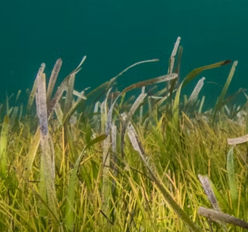
Working closely with partners, the USFWS and FWC formed an investigative team to analyze the cause of the UME and determined that starvation due to lack of forage in the Indian River Lagoon (IRL) caused this high mortality. Together, they developed and implemented immediate and long-term response strategies. These strategies include intensive manatee rescue collaboration, aquatic habitat restoration, and enhancements to monitoring efforts. On this boat ride into the Indian River Lagoon, we’ll discuss how interagency collaboration and the incident command system informed responses to this unusual mortality event. Click HERE for full details.
Mosquito Impoundment Restoration Tour
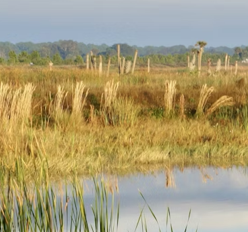
Mosquito impoundments were created in the Indian River Lagoon during the 1950s and 1960s by constructing dikes around coastal marshes to control salt marsh mosquitoes by keeping the area continuously flooded, keeping the mud constantly saturated. This prevented salt marsh mosquitoes from laying their eggs on exposed mudflats, a critical part of their life cycle. While this method successfully reduced mosquito populations, it had negative ecological consequences by disrupting the natural hydrology, leading to a loss of habitat for fish, crabs, and shrimp, reducing forage for other wildlife. Organizations like the St. Johns River Water Management District are actively restoring these areas by breaking down dikes and ditches to allow for natural water flow again. Reconnecting the impoundments allows for restored ecological function, benefiting wetlands and wildlife populations. Click HERE for full details.